Jorge Ricardo da Conceição Vieira ( Lisbon , 16 November 1922 – Évora, 1998) was a Portuguese sculptor and teacher .
He attends the sculpture course in Fine Arts, where he participates in movements to contest the political regime and where he begins by exchanging his impressions of modern sculpture with colleagues such as Sá Nogueira, Alice Jorge or João Abel Manta. Surrealism begins to seduce him and it is the works of Dacosta in 1942 that first mark him.
From ’45 he works in the studio of architect Frederico George with whom he will maintain a long collaboration and friendship. Then begins to work his first sculptures. The material chosen is clay – devalued in Western culture, including in the twentieth century itself. Its symbolic value is inevitably associated with terrestrial substantiality as well as with maternal and sensual malleability and fragility. Thus, the clay takes us back to its origins – allowing us to glimpse the main feature of the sculptor’s work: primitivism. It is following this desire to return to the origins of sculpture that Jorge Vieira begins to use engobes, an ancient technique from ceramics, which consists of painting the color on the clay at a certain moment of its drying and taking it to the oven afterwards to bake
Jorge Vieira realizes the perfect reconciliation between the deepest, most fundamental, rooted, most ontologically anterior, and the most innocent, playful, youthful and pure side of the human being. That’s why your work is extremely catchy. And this is how it achieves an enormous feat: despite its motive, your work is not at all scary. Going to the very bottom (human and memory of the times), using the subconscious and teasing through the fantastic and mythological – although their works involve a disfigurement, the misshapen, the bizarre, they are nevertheless pleasurable. They are inviting to a long look and fill us with tenderness and dream.
As José Augusto França states, all modern currents were ignored in Portuguese sculpture until Jorge Vieira.
Only he, in 1953, with a project of monument to the Unknown Political Prisoner, awarded in a London international contest, was notable. His chronological correctness with the rest of his European activity was unique and earned him perhaps even more international recognition than national recognition. He began a revolutionary procedure with the exercise of various materials, especially terracotta and engobes painting.
He was also one of the first sculptors to introduce color, an interest that leads him to gild particulars of bronzes. It broke with the old barren nineteenth century canon, creatively recovering iconic models of ancient and primordial cultures of Mediterranean, African and even Amerindian origin. A primitivist, cubist, surrealist and abstract precursor, he summarized half a century of innovations hitherto untested in Portugal.
His first solo exhibition was in 1949 at SNBA where a neo-classicist figuration in the composition of the female body with a stereometric anatomy could already be seen. The small figures that evoke such primitive memorability are inscribed in a modern and surrealistic formality. And the others completely abstract develop an organic synthesis between full and empty spaces, eliminating the tension of these two forces, creating a mesmerizing harmony and completeness.
From the first galleries to open in Lisbon in 1968, right in 1971, Galeria São Mamede makes an individual exhibition of sculptures and drawings by Jorge Vieira, where he boldly states at the beginning of the catalog that “art is always revolution”, undoing the relevance of the old quarrel between art and politics.
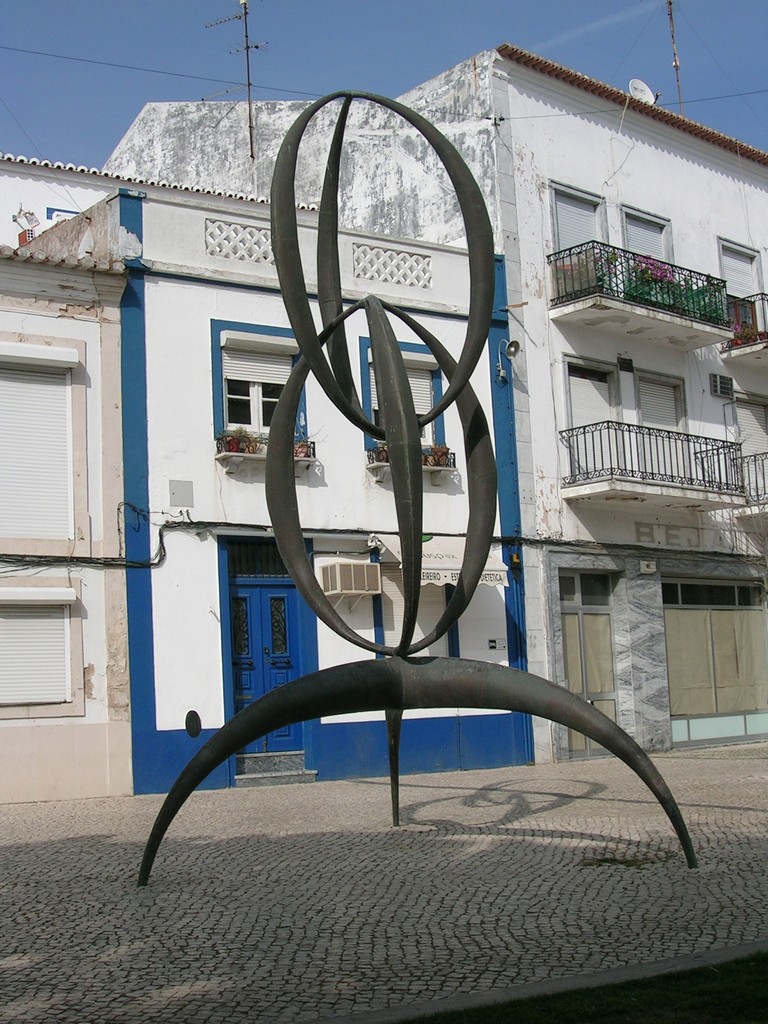
Monumento ao prisioneiro político desconhecido – Beja, Portugal 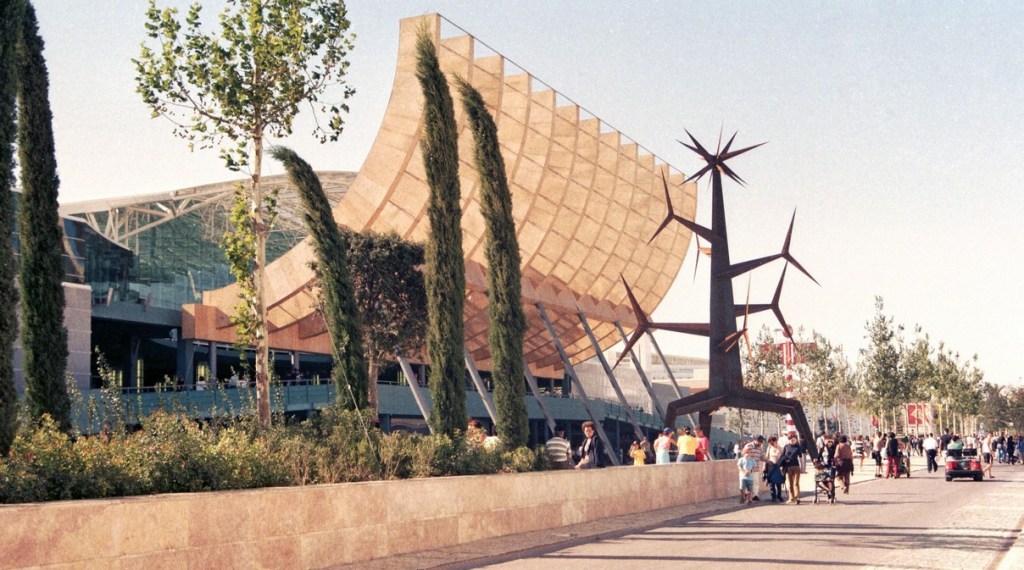
Homem-Sol – Expo, Lisboa Portugal 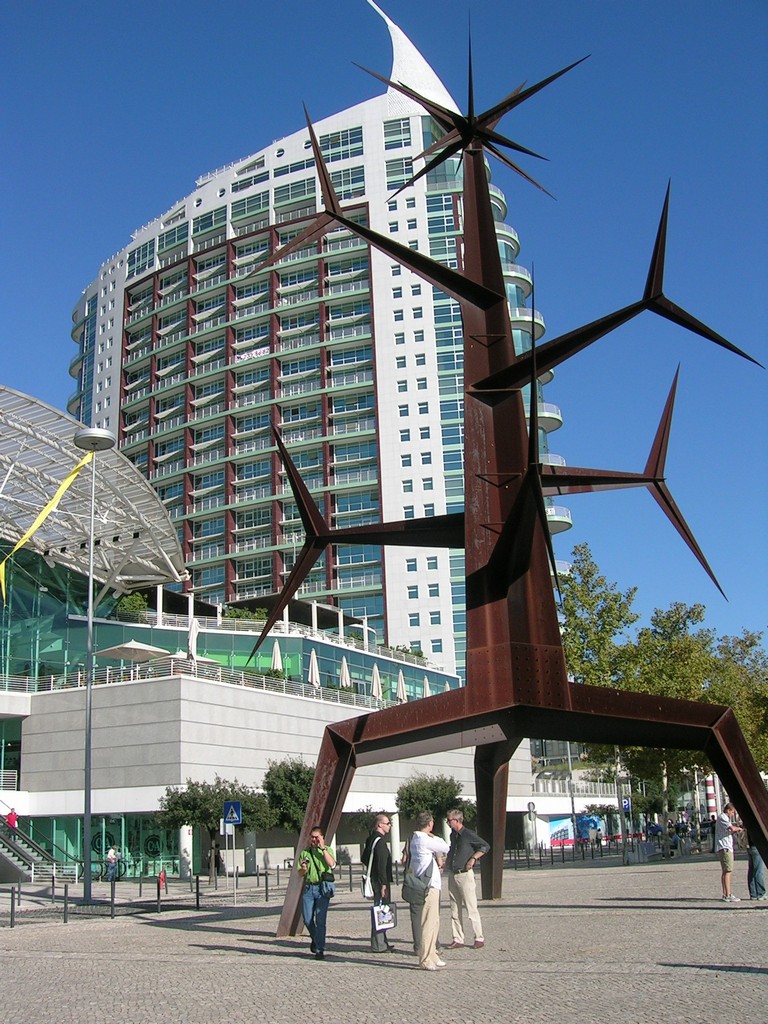
Homem-Sol – Expo, Lisboa Portugal 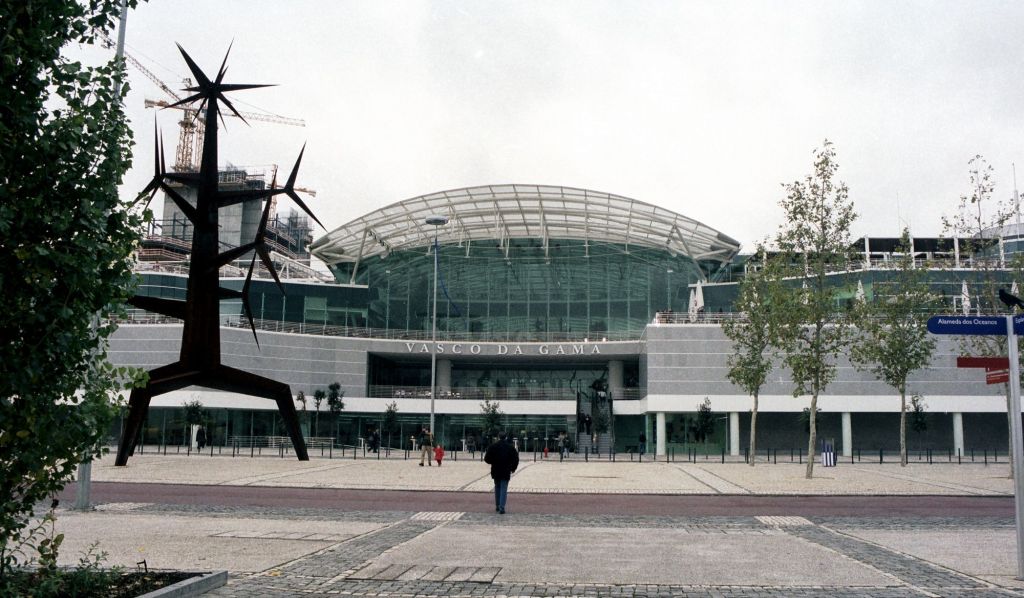
Homem-Sol – Expo, Lisboa Portugal 
Joaninhas, Gradeamento, Largo do Município, Lisboa, Portugal 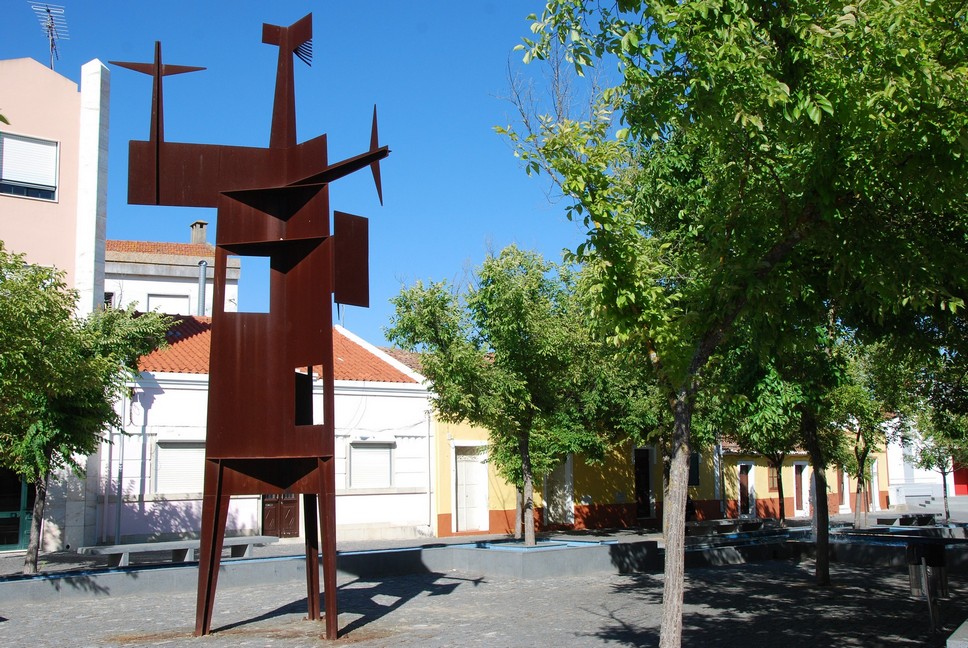
Monumento a Liberdade – Grandola, Portugal
 The State Visits - Collected Art
Een gedachte over “Jorge Vieira”